

What Happens During a Tree Trimming Service?
If you have never scheduled professional tree trimming before, you may wonder what the process looks like. A good tree care service should be organized, safe, and easy to understand. The crew should evaluate the tree, explain the plan, complete the trimming carefully, and clean up the property afterward.
While every property and tree is different, most professional tree trimming jobs follow the same general steps. Knowing those steps can help you prepare, ask better questions, and understand the value of hiring an experienced tree care team.
A professional trimming service should never feel rushed or unclear.
The right crew will explain what they are doing, why the work is needed, and how the trimming supports safety, health, clearance, and appearance.
The Step-by-Step Tree Trimming Process
Initial Assessment
The first step is evaluating the tree. A certified arborist or experienced tree care professional will look at the tree’s health, structure, canopy, branch growth, clearance, and overall condition. They may also check for disease, pests, decay, dead wood, broken branches, weak structure, or storm-related damage.
Proposal and Plan
After the assessment, the tree care professional should explain the recommended work. This includes which branches need attention, why they should be trimmed, what safety concerns exist, and what the expected result will be. You should receive a clear estimate before work begins.
Preparing the Work Area
Before trimming starts, the crew may move obstacles, review access points, set up equipment, identify drop zones, and protect nearby landscaping or structures when needed. Good preparation helps keep the work safer and more efficient.
Professional Trimming
Once the plan is approved, trimming begins. The crew uses proper tools and techniques to remove, reduce, or shape branches while avoiding unnecessary damage to the tree or surrounding property. The goal is to support the tree’s health, structure, clearance, and appearance.
Cleanup and Final Review
After trimming is complete, branches and debris should be removed from the work area. A clean finish is part of a professional service, leaving your yard, driveway, walkway, or commercial space tidy and ready to use.
Why the Initial Assessment Matters
The assessment is one of the most important parts of the service. It helps the tree care team understand what the tree actually needs instead of simply cutting branches for appearance.
During this step, they may identify dead or diseased limbs, weak branch attachments, rubbing branches, pest activity, clearance problems, heavy canopy growth, or signs that the tree may need additional care beyond basic trimming.
What Should Be Included in the Plan?
A trimming plan should explain the purpose of the work. Some trimming is done to improve health, some is done for safety, some is done for clearance, and some is done to improve the tree’s shape and appearance.
A clear plan can include which areas of the tree need attention, whether deadwood should be removed, whether branches need to be lifted away from walkways or structures, and how the work will help the tree fit the surrounding landscape.
Health
Trimming can remove dead, diseased, damaged, or crowded branches and help support stronger future growth.
Safety
Removing weak, broken, or overhanging branches can reduce hazards around homes, vehicles, walkways, and outdoor spaces.
Clearance
Professional trimming can help keep branches away from roofs, structures, driveways, signs, and access areas.
Appearance
Proper shaping can make trees look cleaner, more balanced, and better connected to the overall landscape.
What Happens During the Trimming?
During the trimming process, the crew will use professional equipment to cut and manage branches safely. This may involve hand tools, pole saws, chainsaws, ladders, climbing equipment, rigging, or lift equipment depending on the tree’s size and location.
The crew should work carefully to avoid unnecessary damage to the tree, home, landscape, vehicles, walkways, fences, and surrounding plants. Proper cuts are important because poor trimming can create wounds, weak regrowth, or long-term health problems.
Cleanup Is Part of the Service
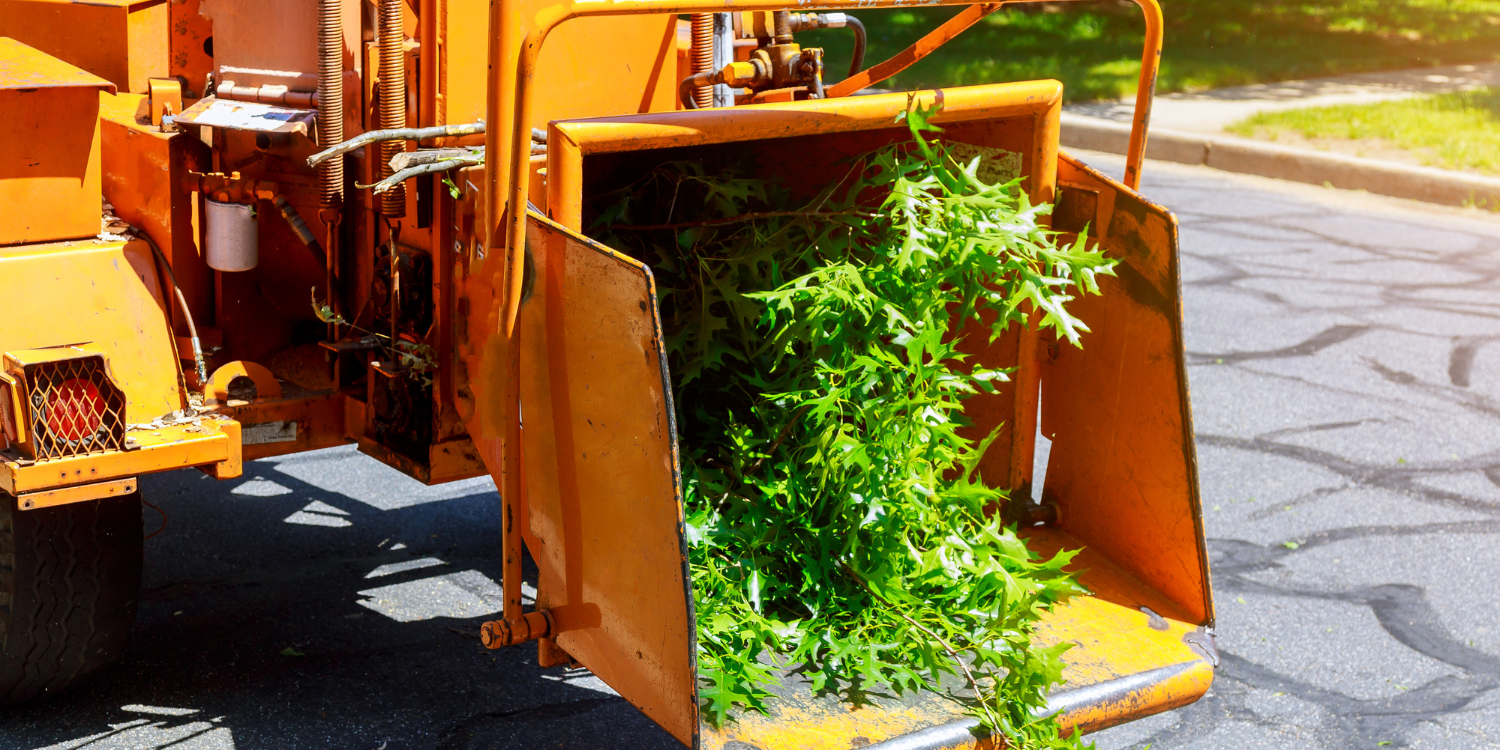
After trimming is finished, the team should gather and remove branches, leaves, and other debris from the work area. The goal is to leave the property looking cleaner and better maintained than when the work began.
Cleanup is especially important for residential yards, commercial properties, walkways, driveways, parking areas, and outdoor spaces where safety and appearance matter.
At the end of the service, your trees should look healthier and your property should look tidy.
A professional tree trimming service should improve the tree without leaving the property messy or difficult to use.
How to Prepare for Tree Trimming
Before your appointment, it can help to move vehicles, patio furniture, potted plants, tools, or personal items away from the work area. Make sure gates are unlocked and pets are kept safely indoors or away from the crew.
If you have specific concerns, point them out during the assessment. For example, mention branches near a roof, limbs blocking a view, low branches over a walkway, or sections of the tree that look damaged or unhealthy.
Professional Tree Trimming Gives You Peace of Mind
When tree trimming is done correctly, your trees can remain healthier and your landscape can look more polished. The work can also reduce hazards, improve clearance, and help prevent small issues from becoming larger problems.
If you are ready to schedule tree trimming, Alisos Tree Service & Land Care Inc. can help with assessment, trimming, pruning, cleanup, emergency tree service, palm care, citrus care, land care, and certified arborist guidance.
Get Your Free Estimate