

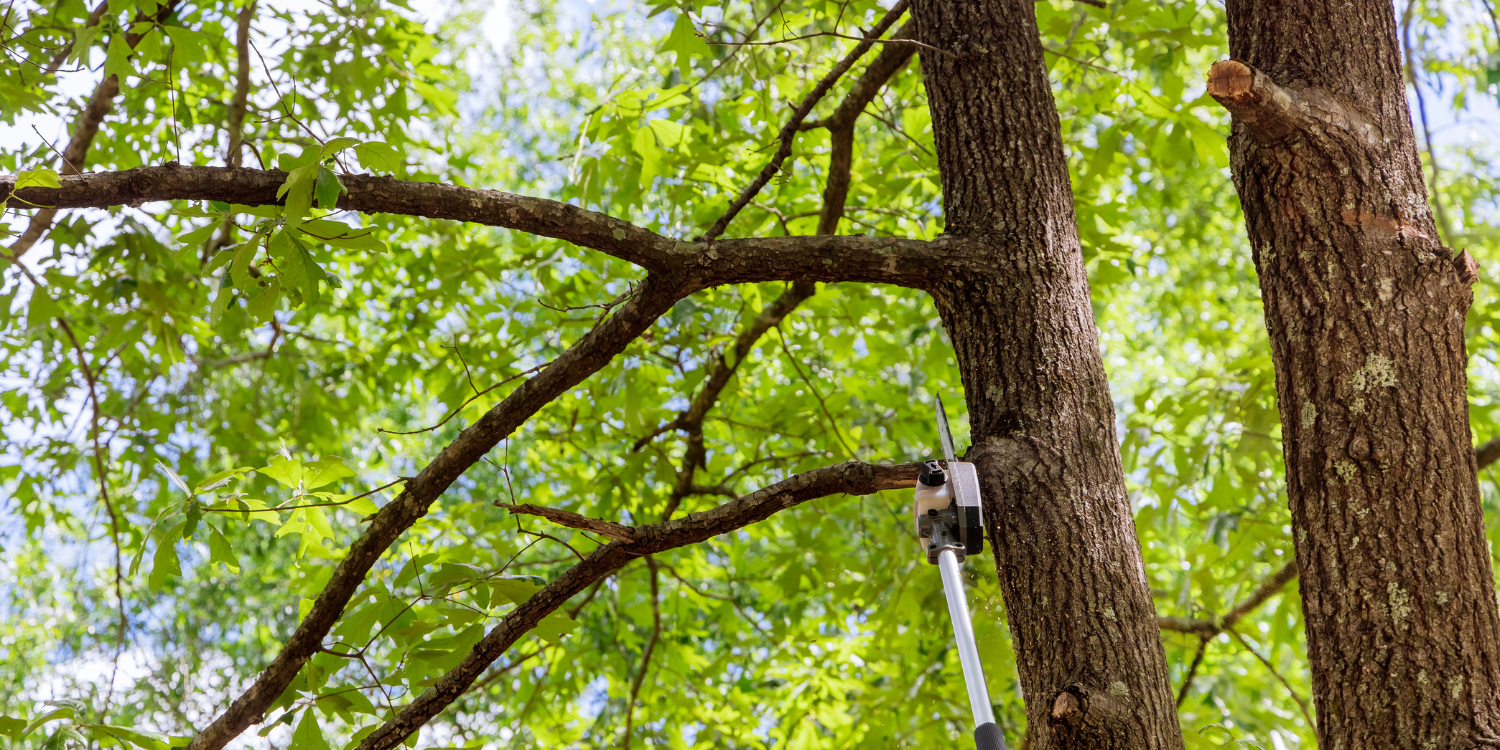
How Do You Know When It Is Time to Trim Your Trees?
It is not always obvious when a tree needs attention. Some trees grow slowly and quietly become overgrown, while others show visible signs of stress, damage, crowding, or imbalance. Learning what to look for can help you keep your property safer and your trees healthier.
If you notice branches getting too close to structures, dead limbs, pest activity, or branches rubbing against each other, it is a good idea to schedule a professional inspection. A certified arborist or experienced tree care team can determine whether trimming, pruning, or another service is the right solution.
Do not wait until a branch falls.
Tree trimming is often most effective when it is done before limbs become dangerous, diseased, too heavy, or difficult to manage.
Overgrown Branches
One of the most common signs that a tree needs trimming is overgrowth. Branches may start extending too close to your home, roof, windows, garage, fences, walkways, driveways, or other structures.
Overgrown limbs can scrape against buildings, drop debris on roofs, block visibility, interfere with outdoor spaces, or create clearance issues for vehicles and people. If branches are growing where they should not be, trimming can help restore a safer and cleaner shape.
Dead or Damaged Limbs
Dead branches, split limbs, cracked wood, hanging branches, and storm-damaged sections should not be ignored. These limbs may fall without warning, especially during wind, rain, or additional stress.
Removing dead or damaged wood can reduce hazards and help the tree direct energy toward healthier growth. It can also improve the overall appearance of the tree and the property around it.
Pest Infestations or Signs of Disease
A sudden increase in pests, unusual holes, sawdust-like material, sticky residue, dead sections, thinning leaves, discoloration, or abnormal growth can indicate a tree health issue.
Trimming may be needed to remove affected branches, improve airflow, and reduce the spread of damage. However, pest and disease concerns should be evaluated carefully because trimming alone may not solve the full problem.
Crossing or Rubbing Branches
Branches that cross, rub, or press against each other can create wounds in the bark. Those wounds may invite pests, disease, decay, or structural weakness over time.
Proper trimming can reduce friction, improve branch spacing, and help the tree develop a stronger structure. This is especially important for young trees and trees with crowded canopies.
Safer Clearance
Trimming can help keep branches away from roofs, walkways, driveways, structures, and areas where people gather.
Cleaner Appearance
Removing overgrowth and damaged limbs can make trees look better balanced, more intentional, and better maintained.
Improved Health
Removing dead, diseased, or crowded branches can support healthier growth when trimming is done correctly.
Better Structure
Professional trimming can reduce rubbing limbs, weak branch angles, and uneven growth before they become larger problems.
Tree Pruning vs. Tree Trimming
While tree pruning and tree trimming both involve cutting back branches, they are not always the same thing. Pruning is usually focused on the tree’s health, structure, and long-term growth. It may involve removing dead, diseased, weak, or poorly placed branches.
Trimming is often more focused on maintaining shape, size, clearance, and appearance. It can help prevent overgrowth and keep a tree fitting properly within its surrounding landscape.
In many cases, trees need both. A certified arborist or experienced tree care professional can evaluate the tree and determine whether the goal should be health, safety, shape, clearance, or a combination of all of those.
Other Signs Your Tree May Need Attention
In addition to obvious overgrowth or dead limbs, watch for branches that block signs, lights, walkways, views, or driveways. You may also notice one side of the tree growing much heavier than the other, branches hanging lower than usual, or new growth that is crowding the canopy.
If a tree looks unbalanced, messy, heavy, or unsafe, it is worth having it looked at. Early trimming can often be easier, cleaner, and less expensive than waiting until the tree becomes a larger hazard.
Not sure whether your tree needs trimming?
Alisos Tree Service & Land Care Inc. can inspect your tree and recommend the right next step, whether that is trimming, pruning, health care, cleanup, or removal.
Professional Trimming Protects the Tree and the Property
Improper trimming can damage a tree, weaken its structure, or create future growth problems. Professional tree care helps ensure cuts are made safely and with the tree’s health in mind.
If you spot any of the warning signs above, contact Alisos Tree Service & Land Care Inc. for professional tree trimming, pruning, emergency tree service, palm care, citrus care, land care, or certified arborist guidance.
Get Your Free Estimate